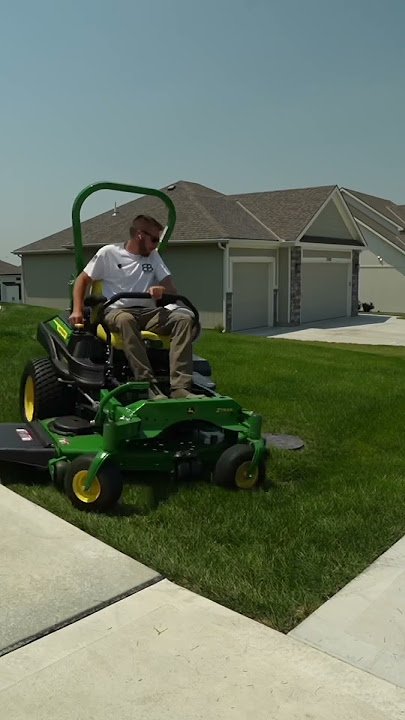
Have you ever wondered if your mower can run on propane? If you’re looking for a cleaner, more efficient way to power your lawn equipment, this question might be on your mind.
Using propane instead of gasoline could save you money, reduce emissions, and make your mowing routine easier. But is it really possible? You’ll discover the truth about propane-powered mowers, how they work, and whether switching to propane is the right choice for you.
Keep reading to find out everything you need to know before making the switch.
Propane Mowers Basics
Propane mowers offer a cleaner alternative to gasoline-powered machines. They use propane gas as fuel, reducing harmful emissions and often lowering operating costs. Understanding how these mowers work helps you decide if they suit your lawn care needs.
Propane mowers are gaining popularity for being eco-friendly and efficient. They provide reliable power for cutting grass while producing less noise and pollution.
How Propane Engines Work
Propane engines run on liquefied petroleum gas stored under pressure. When released, propane changes from liquid to gas and mixes with air in the engine. This mixture ignites, powering the mower’s engine. The combustion process produces fewer pollutants compared to gasoline engines.
Propane engines start quickly and run smoothly. They require less frequent maintenance because propane burns cleaner, causing less engine buildup.
Types Of Propane Mowers
- Walk-Behind Mowers:Ideal for small to medium yards, easy to maneuver.
- Riding Mowers:Designed for large lawns, provide comfort and speed.
- Zero-Turn Mowers:Offer excellent control and tight turning radius, perfect for complex landscapes.
Each type is available with propane engines, giving options to fit different yard sizes and user preferences.
Comparing Gas And Propane
| Feature | Gasoline Mower | Propane Mower |
|---|---|---|
| Fuel Cost | Higher | Lower |
| Emissions | More pollutants | Cleaner exhaust |
| Engine Maintenance | Frequent | Less frequent |
| Fuel Storage | Easy availability | Requires propane tanks |
| Noise Level | Louder | Quieter |
Propane mowers reduce environmental impact and can save money over time. Gas mowers remain common due to fuel availability and initial cost.
Benefits Of Propane Lawn Mowers
Propane lawn mowers offer many benefits that make them a smart choice for homeowners. They combine efficiency with eco-friendliness. Users enjoy lower costs and strong performance. These advantages make propane mowers a solid alternative to gas-powered models.
Environmental Advantages
Propane mowers produce fewer harmful emissions. They release less carbon monoxide and hydrocarbons. This helps improve air quality around your home. Propane burns cleaner than gasoline, reducing pollution. It also lowers greenhouse gases that cause climate change. Using propane supports a healthier environment for everyone.
Cost Savings Over Time
Propane is usually cheaper than gasoline. It lasts longer in storage without losing quality. This means less waste and fewer trips to buy fuel. Propane mowers need less maintenance because the fuel burns cleaner. Over time, these savings add up. Homeowners can spend less on fuel and repairs.
Performance And Reliability
Propane lawn mowers start easily, even in cold weather. They deliver steady power for cutting thick grass. Engines run smoothly and quietly on propane. This fuel helps extend the mower’s life by reducing engine wear. Many users find propane mowers reliable and efficient for yard work.
Challenges With Propane Mowers
Propane mowers offer eco-friendly benefits but come with certain challenges. These challenges can affect their practicality for some users. Understanding these issues can help make an informed decision.
Availability Of Refueling Stations
Refueling stations for propane mowers are not widespread. Many areas lack convenient access. This can lead to inconvenience for regular users. Planning and travel might be necessary to find a station. This could increase the time and cost of operation.
Initial Purchase Costs
Propane mowers often have higher initial costs. The technology and materials used contribute to this. Users may find these costs a barrier to entry. Budget constraints can make propane mowers less attractive. Consider long-term savings on fuel and emissions.
Maintenance Considerations
Maintenance of propane mowers can be different. Specialized skills may be needed for repairs. Some parts are not easily available. This can lead to longer repair times. Regular maintenance checks are important for performance. Awareness of these needs can prepare users better.

Credit: www.youtube.com
Converting Gas Mowers To Propane
Converting a gas mower to run on propane is a popular choice for many homeowners seeking a cleaner and often more cost-effective fuel option. This switch not only reduces emissions but can also extend the life of your mower’s engine. If you’re thinking about making this change, understanding the conversion process and what it involves is essential.
Conversion Kits Overview
Conversion kits are designed to help you modify your gas mower so it can safely and efficiently use propane. These kits usually include a propane carburetor or adapter, fuel lines, and a regulator to manage propane flow.
Most kits fit a wide range of mower models, but it’s important to check compatibility with your specific engine. Some kits come with detailed instructions, making the process manageable even if you’re not a mechanic.
Step-by-step Conversion Process
- Remove the gas tank and carburetor:This clears the way for installing propane components.
- Attach the propane carburetor or adapter:This part controls the air-fuel mixture for propane combustion.
- Install the propane regulator and fuel lines:These ensure the correct pressure and flow of propane to the engine.
- Secure the propane tank:Usually mounted on the mower frame or nearby for easy access.
- Test the mower:Check for leaks and proper engine operation before regular use.
I once converted my old mower and was surprised at how smoothly it ran after the switch. The process took about two hours, and the difference in engine noise and emissions was clear immediately. Would you expect such a simple change to make such a big impact?
Safety Tips During Conversion
- Work in a well-ventilated area:Propane is flammable, and good airflow reduces the risk of accidental ignition.
- Check for leaks:Use soapy water on connections to spot bubbles indicating leaks before starting the engine.
- Wear protective gear:Gloves and safety glasses protect you from fuel spills and debris.
- Follow manufacturer instructions closely:Ignoring details can cause malfunctions or dangerous situations.
- Keep a fire extinguisher nearby:Always be prepared for emergencies when dealing with flammable fuels.
Have you considered how much safer your mower could be with proper handling of propane? Taking these precautions seriously makes the conversion not just effective but secure.
Choosing The Right Propane Mower
Choosing the right propane mower can make a huge difference in your lawn care routine. It affects not only how well your grass gets cut but also how much you spend on fuel and maintenance. Picking a mower that fits your needs saves time and effort while being kinder to the environment.
Key Features To Look For
Focus on engines designed specifically for propane. These tend to run cleaner and more efficiently than converted gasoline models.
Look for easy propane tank installation and secure connections to avoid leaks. Safety should always be a priority.
Check if the mower offers adjustable cutting heights and a wide cutting deck to handle different grass types and lawn sizes. Features like mulching capability or bagging options can add convenience.
Top Brands And Models
Brands like Troy-Bilt, Snapper, and Briggs & Stratton have propane mower options trusted by many users. These companies often provide good warranties and support.
The Troy-Bilt TB490 with a propane engine is praised for its power and reliability. Snapper’s XD series offers propane mowers with ergonomic designs that reduce fatigue.
Do you want a mower for occasional use or daily mowing? Brands differ in how well their models hold up under frequent, heavy-duty work.
Sizing For Your Lawn
Measure your lawn before choosing a mower size. Larger decks cover more ground quickly but may be harder to maneuver in tight spaces.
For lawns under half an acre, a mower with a 21–22 inch cutting deck usually works well. Bigger lawns might need 30 inches or more.
Think about the terrain too. Hills and obstacles require a mower that’s not only sized right but also easy to control and handle.

Credit: www.landscapemanagement.net
Operating And Maintaining Propane Mowers
Operating and maintaining a propane mower requires some specific knowledge. Propane mowers offer clean fuel options and efficient cutting power. Proper care keeps the mower running smoothly and extends its lifespan.
Understanding basic operation and maintenance tasks helps avoid breakdowns. It also ensures safer and more effective use of the mower. Follow simple tips for starting, running, and troubleshooting your propane mower.
Starting And Running Tips
- Check propane tank connections for leaks or damage.
- Open the fuel valve fully before starting the engine.
- Allow the engine to warm up for a few minutes before cutting.
- Keep the throttle at a steady speed while mowing.
- Turn off the engine before refueling or performing maintenance.
Routine Maintenance Tasks
- Inspect and clean the air filter regularly.
- Change the oil every 25 hours of use or as recommended.
- Check spark plugs and replace if worn or dirty.
- Examine propane hoses for cracks or leaks.
- Sharpen mower blades to ensure clean cuts.
- Clean the mower deck to prevent grass buildup.
Troubleshooting Common Issues
- Engine won’t start: Verify propane supply and check spark plug condition.
- Rough running: Clean or replace air filter and check fuel lines.
- Propane odor: Inspect hoses and connections for leaks immediately.
- Loss of power: Sharpen blades and check for clogged fuel filters.
- Engine stalls: Ensure proper throttle setting and clean carburetor.
Future Of Propane In Lawn Care
The future of propane in lawn care looks promising. Propane offers a cleaner alternative to gasoline. It produces fewer emissions and runs quietly. Its use can reduce the carbon footprint of lawn maintenance. More manufacturers are exploring propane-powered mowers. This shift could change how we care for our lawns.
Propane mowers combine power with eco-friendliness. They appeal to homeowners and professionals alike. As technology improves, propane could become more popular.
Innovations And Trends
Manufacturers are developing propane mowers with better engines. These engines run longer and require less maintenance. New fuel systems make propane easier to use. Safety features are improving to handle propane tanks better. Some models now include hybrid options using both propane and electricity. Trends show a move toward more energy-efficient lawn tools.
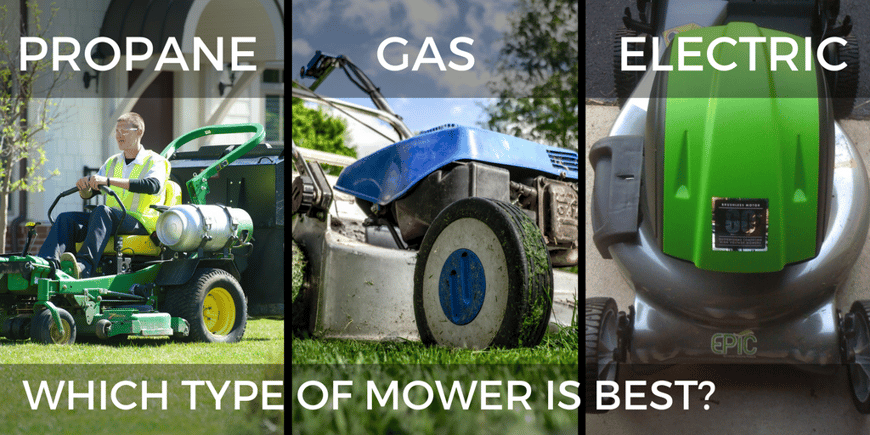
Propane Vs. Electric Mowers
- Propane mowers start quickly and work well in cold weather.
- Electric mowers are quieter and need less upkeep.
- Propane provides longer run times without recharging.
- Electric mowers produce zero emissions during use.
- Both options reduce dependence on gasoline.
The choice depends on user needs and lawn size. Propane suits larger areas and longer work periods. Electric mowers fit small yards and short tasks.
Regulatory Impact
Governments are setting stricter emission rules. These rules encourage cleaner fuel use in outdoor equipment. Propane meets many of these emission standards. Some regions offer incentives for propane mower purchases. Regulations push manufacturers to innovate cleaner engines. This trend supports propane’s growth in lawn care markets.
Credit: www.schilllandscaping.com
Frequently Asked Questions
Can A Lawn Mower Run On Propane Fuel?
Yes, many lawn mowers can run on propane. Propane mowers use a special engine or conversion kit. They offer cleaner emissions and longer engine life compared to gasoline.
What Are The Benefits Of Propane Mowers?
Propane mowers produce fewer emissions, reducing air pollution. They often cost less to fuel and run quieter. Propane is also safer to store and handle than gasoline.
How Do You Convert A Mower To Propane?
Converting involves installing a propane conversion kit. The kit replaces the carburetor and fuel lines. It’s best done by a professional for safety and efficiency.
Is Propane Mower Fuel Cost-effective?
Propane is usually cheaper than gasoline per hour of use. It burns cleaner, reducing engine maintenance costs. Overall, propane mowers save money in the long term.
Conclusion
Mowers can run on propane with the right setup. Propane offers cleaner fuel and less engine wear. It also helps reduce emissions and saves money over time. Some mowers need special parts to use propane safely. Always follow the manufacturer’s instructions for best results.
Propane mowers work well for many homeowners and landscapers. Choosing propane depends on your needs and mower type. Consider propane if you want a quieter and cleaner lawn care option.





