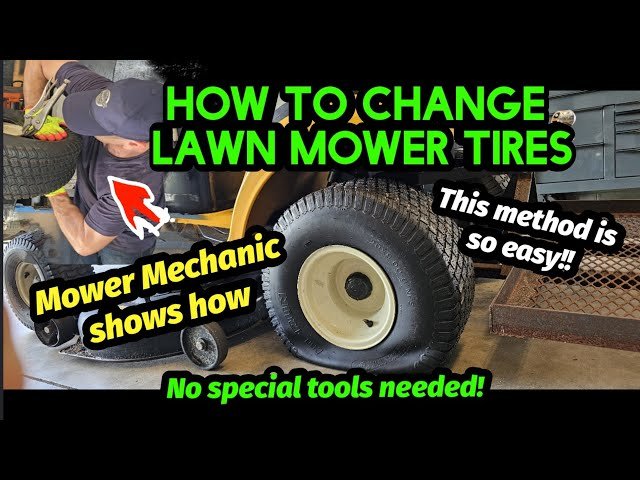
Have you noticed your mower tire keeps losing pressure, no matter how often you pump it up? It’s frustrating when your lawn mower isn’t ready to go just because of a tire problem.
But why does this happen? Is there a simple fix, or do you need to replace the tire altogether? Understanding the common reasons behind tire pressure loss can save you time, money, and headaches. Keep reading to discover what’s causing your mower tire to lose air and how you can get back to mowing smoothly.
Common Causes Of Tire Pressure Loss
Punctures and leakscause air to escape from mower tires. Sharp objects like nails or thorns can make small holes. These holes let air out slowly, causing pressure loss over time.
Valve stem issueshappen when the valve is damaged or dirty. Dirt or cracks can stop the valve from holding air. This leads to slow leaks and low tire pressure.
Bead seal problemsoccur when the tire does not fit tightly on the rim. Dirt or rust can prevent a good seal. This lets air escape between the tire and rim.
Temperature fluctuationsmake air inside tires expand or shrink. Cold weather causes the air to shrink, lowering pressure. Warm weather makes the air expand, which may feel like pressure changes.
Worn out tireslose their ability to hold air well. Old tires may have cracks or thin spots. These weak areas allow air to leak out easily.
Identifying Tire Damage
Start by looking closely at the tire surface. Check for cuts, cracks, or holes. Small damage can cause slow leaks.
Use soapy water on the tire and valve area. Look for bubbles. Bubbles show where air escapes.
Examine the valve stem carefully. It should be tight and free of cracks. A loose or broken valve can cause pressure loss.
- Clean the tire and valve before testing.
- Apply soapy water evenly.
- Watch carefully for bubbles forming.
- Check valve stem for damage or looseness.
Quick Fixes For Tire Pressure Loss
A mower tire often loses pressure due to small punctures or valve issues. Checking for leaks and tightening the valve stem can provide a quick fix. Regularly inspecting the tire helps maintain proper pressure and improves mower performance.
Patch Kits And Plugging Punctures
Patch kits are great for small holes. They come with patches and glue. Clean the hole area first. Then, apply the patch with glue. Wait for it to dry well. For bigger holes, use a plug. Insert the plug into the hole firmly. Make sure it seals the hole completely.Replacing Valve Stems
Valve stems can leak air. Replace them if they are old. Use a valve stem tool to remove the old one. Put the new valve stem in. Push it until it clicks in place. Check for air leaks by listening closely.Re-seating The Tire Bead
Sometimes tires lose air from the bead. Remove the tire from the rim. Clean the rim and the tire edge. Place the tire back on the rim. Ensure it fits snugly. Inflate the tire to check the seal.Proper Inflation Tips
Always check tire pressure with a gauge. Inflate to the correct PSI. Do not overinflate. This can damage the tire. Check pressure monthly. Keep a pump handy for quick fixes. `
Credit: www.youtube.com
Preventive Maintenance Tips
Checking tire pressure often helps find slow leaks early. Use a pressure gauge to keep tires at the right level. This keeps the mower running smoothly and avoids flat tires.
- Stay clear of sharp rocks and sticks that can puncture tires.
- Drive carefully over rough ground to prevent tire damage.
Store the mower in a dry, cool place. Keep it off wet grass or dirt to stop rust and tire decay. Cover the mower to protect it from sun and rain.
Before winter, clean tires well and check for cracks or damage. Inflate tires properly before storing. This keeps tires healthy for the next season.
When To Replace Mower Tires
Signs of irreparable damageinclude deep cuts, cracks, and holes on the tire surface. Tires that lose air quickly or have visible dry rot should be replaced. If the tire tread is worn down unevenly, it may not hold pressure well. Bulges or bubbles on the tire mean internal damage. Such damage risks sudden tire failure and unsafe mower use.
Choosing the right replacement tiresdepends on mower model, tire size, and terrain type. Check the owner’s manual or tire sidewall for correct tire size. Turf tires work best on grass without leaving marks. All-terrain tires suit rough or uneven surfaces better. Always pick tires with good grip and durability for safety and performance.
Professional repair vs replacementdepends on damage type and cost. Small punctures can sometimes be repaired by a tire expert. Large cuts or sidewall damage usually require full tire replacement. Repair costs may add up, so replacing old, worn tires is often cheaper. Professionals can advise on the safest and best option for mower tires.

Credit: www.youtube.com
Credit: www.striptillfarmer.com
Frequently Asked Questions
Why Does My Mower Tire Lose Pressure Quickly?
Mower tires lose pressure due to small punctures or valve leaks. Frequent use on rough terrain can also cause slow leaks. Check tires regularly for damage and replace worn valves to maintain proper pressure.
How Can I Fix A Mower Tire That Won’t Hold Air?
To fix a mower tire that won’t hold air, inspect for punctures or valve issues. Use a tire patch kit for small holes or replace the tube if damaged. Ensure the valve stem is tight and not cracked.
What Causes Mower Tires To Lose Pressure Overnight?
Tires lose pressure overnight mainly due to tiny punctures or damaged valve stems. Temperature changes can also cause air contraction, lowering tire pressure. Regular inspections help identify leaks early and keep your mower running smoothly.
How Often Should I Check Mower Tire Pressure?
Check mower tire pressure before each use or at least once a month. Proper tire pressure improves mowing efficiency and prevents uneven wear. Use a reliable gauge for accurate readings and inflate tires to the manufacturer’s recommended PSI.
Conclusion
Mower tire pressure problems often come from small leaks or damage. Regularly check your tires for nails, cracks, or holes. Keep the tires properly inflated to avoid uneven wear. Tighten the valve stem if it feels loose. Fixing these issues early saves time and money later.
A well-maintained tire helps your mower work smoothly. Small steps make a big difference in tire life. Stay alert and keep your mower ready for the job.





