Have you noticed your lawn looking uneven or ragged after mowing? Your lawn mower blades might be the hidden problem.
Sharp, well-maintained blades are key to a healthy, beautiful lawn. If you ignore dull or damaged blades, you could be harming your grass and making your mower work harder. You’ll discover why replacing your lawn mower blades is more important than you think—and how it can save you time, money, and frustration.
Keep reading to learn how to keep your lawn looking its best with just one simple change.
Signs Of Dull Blades
Uneven grass cutshappen because dull blades tear the grass instead of cutting it cleanly. This makes your lawn look patchy and messy. Sharp blades give a neat, even cut that helps grass stay healthy and grow better.
Torn grass tipsare a clear sign your mower blades need replacing. Dull blades rip the grass tips, causing brown edges and stress to the grass. Clean cuts from sharp blades help grass heal faster and prevent disease.
Increased effort while mowingmeans your mower blades might be dull. Dull blades need more power to cut grass, which can strain your mower and waste fuel. Replacing blades keeps your mower working smoothly and saves energy.

Credit: navimow.segway.com
Risks Of Using Worn Blades
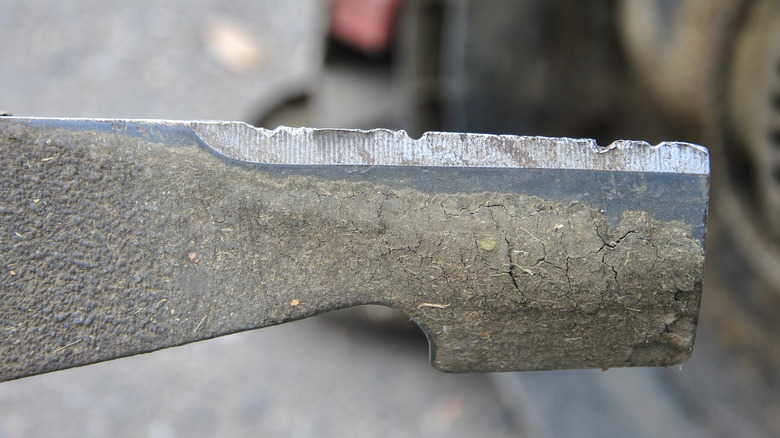
Using worn lawn mower bladescan cause serious damage to your lawn. Dull blades tear grass instead of cutting cleanly. This makes the grass brown and weak. Damaged grass is more likely to get diseases and pests.
Blunt blades also lead to reduced mower efficiency. The mower must work harder and takes longer to finish. This wastes fuel and can wear out the engine faster.
Safety hazardsincrease with worn blades. Blades can break or bend during use, throwing pieces out at high speed. This can cause injuries to people and petsnearby.
Choosing The Right Replacement Blades
Dull lawn mower blades tear grass instead of cutting it cleanly. Replacing blades ensures a neat, healthy lawn and improves mower performance. Sharp blades reduce strain on the engine and save fuel.
Different blades suit different needs. Some blades are mulching blades. They chop grass into tiny pieces. Others are high-lift blades. They help bag grass clippings. Blades come in various materials. Steel is common and strong. Carbon-coated blades last longer. Choose the right type for your lawn. Not all blades fit all mowers. Check your mower’s manual. It lists compatible blades. Look for the right size and shape. Mismatched blades won’t work well. They can damage your mower too. Always ensure a good fit. High-quality blades cost more. But they last longer. Cheaper blades may wear out fast. Quality blades cut better. They need less frequent replacements. Balance your budget and needs. A good choice saves money over time. `
Credit: www.youtube.com
When To Replace Blades
Blade replacement depends on use and grass type. Blades dull after cutting about 20-25 hours. Sharp blades make cleaner cuts and keep grass healthy.
| Factor | Effect on Blade Wear |
|---|---|
| Grass Type | Thicker grass dulls blades faster |
| Soil Condition | Sandy or rocky soil wears blades quickly |
| Mowing Frequency | More frequent mowing means faster wear |
Blades may need more checks in spring and fall. Wet or tough grass can dull blades faster. Dry seasons cause less wear but check blades before use.
Steps To Replace Lawn Mower Blades
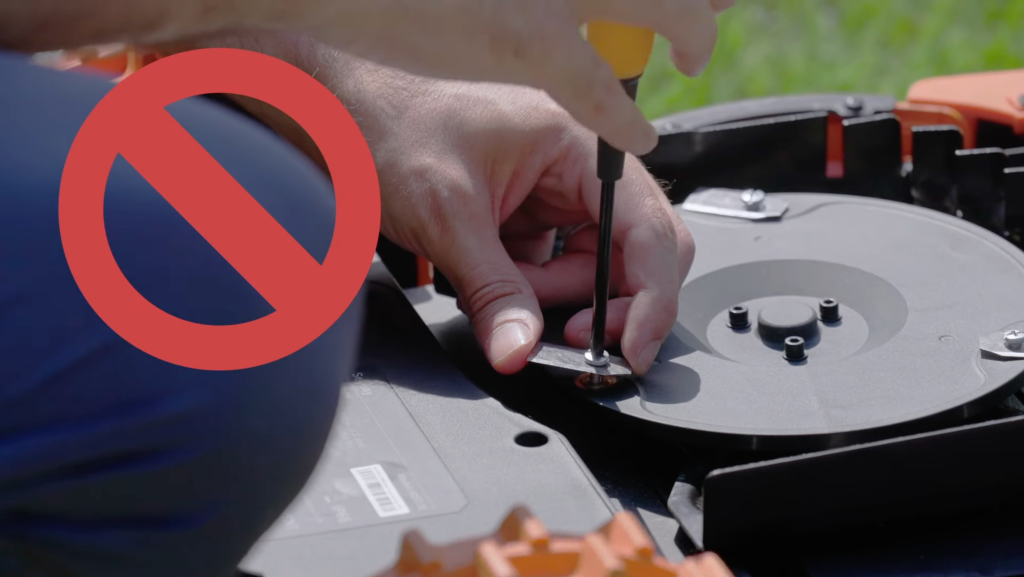
First, turn off the mowerand disconnect the spark plug. This stops the mower from starting accidentally. Wear thick glovesto protect your hands from sharp edges. Tilt the mower carefully to access the blades.
Use a wrench to loosen the boltsthat hold the old blades. Keep the blade bolts safe for reuse. Remove the blades by pulling them away from the mower. Check the blades for damage or wear before discarding.
Place the new blades on the mower, making sure the cutting edge faces the right way. Tighten the bolts firmly to secure the blades in place. Do not over-tighten, which can cause damage.
| Blade Balancing Tips |
|---|
| Hang the blade on a nail through the center hole. |
| If one side drops, the blade is unbalanced. |
| Remove some metal from the heavy side using a file. |
| Recheck balance until the blade stays level. |
Maintaining Blades For Longevity
Keeping lawn mower blades in good shape means they cut grass cleanly. Regular cleaningremoves grass and dirt that stick to blades. This stops rust and keeps blades sharp longer.
Sharpening techniqueshelp blades cut better. Use a file or grinder carefully to keep the blade edges even. Dull blades tear grass, making lawns look bad and can hurt the mower.
Proper storageprotects blades from damage. Store mowers in dry places to stop rust. Remove blades if storing for a long time. This keeps them safe and ready for use.
Credit: www.housedigest.com
Frequently Asked Questions
Why Should I Replace Lawn Mower Blades Regularly?
Replacing blades ensures a clean, even cut and promotes healthy grass growth. Dull blades tear grass, causing damage and disease.
How Do Dull Blades Affect Lawn Health?
Dull blades shred grass instead of cutting it cleanly. This causes stress, browning, and increased risk of lawn diseases.
When Is The Best Time To Replace Mower Blades?
Replace blades at least once per mowing season or when you notice uneven cuts or blade damage.
Can I Sharpen Lawn Mower Blades Instead Of Replacing?
Yes, sharpening extends blade life but only a few times. Replace blades when sharpening no longer restores sharpness.
Conclusion
Replacing lawn mower blades keeps your grass healthy and neat. Dull blades tear grass, causing brown edges and disease. Sharp blades cut cleanly, helping your lawn grow strong. Regular blade checks save you money on repairs later. Safe mowing depends on sharp, balanced blades too.
Don’t wait for problems—change blades at the right time. Your lawn will look better and stay greener all season. Simple care makes a big difference.





