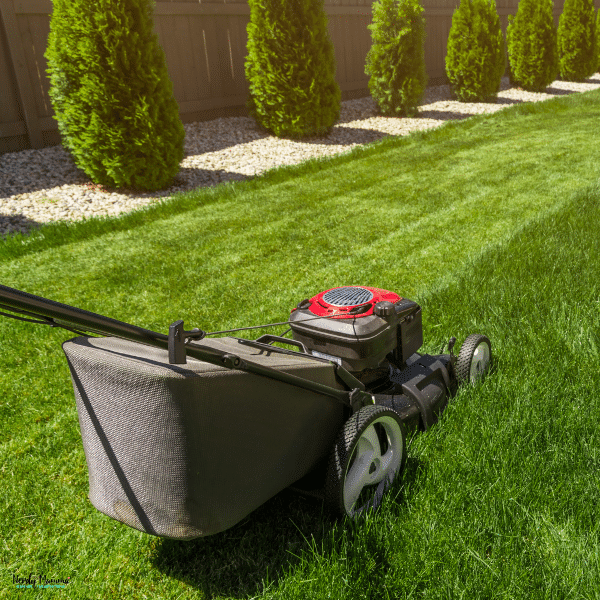
Have you ever looked at your mower belt and wondered if you could simply shorten it instead of buying a new one? It sounds like a quick fix, right?
But before you grab your tools and start cutting, there are important things you need to know. Your mower’s performance and safety depend on the right belt size and tension. You’ll discover whether shortening a mower belt is a smart move or a risky mistake.
Keep reading to find out how to protect your mower and save time and money.
Mower Belt Basics
Mower belts come in different types to fit various machines. The main types include V-belts, flat belts, and serpentine belts. V-belts have a trapezoid shape for better grip. Flat belts are smooth and wider, used in older models. Serpentine belts are long and twist around several pulleys. Choosing the right belt type is key for mower performance.
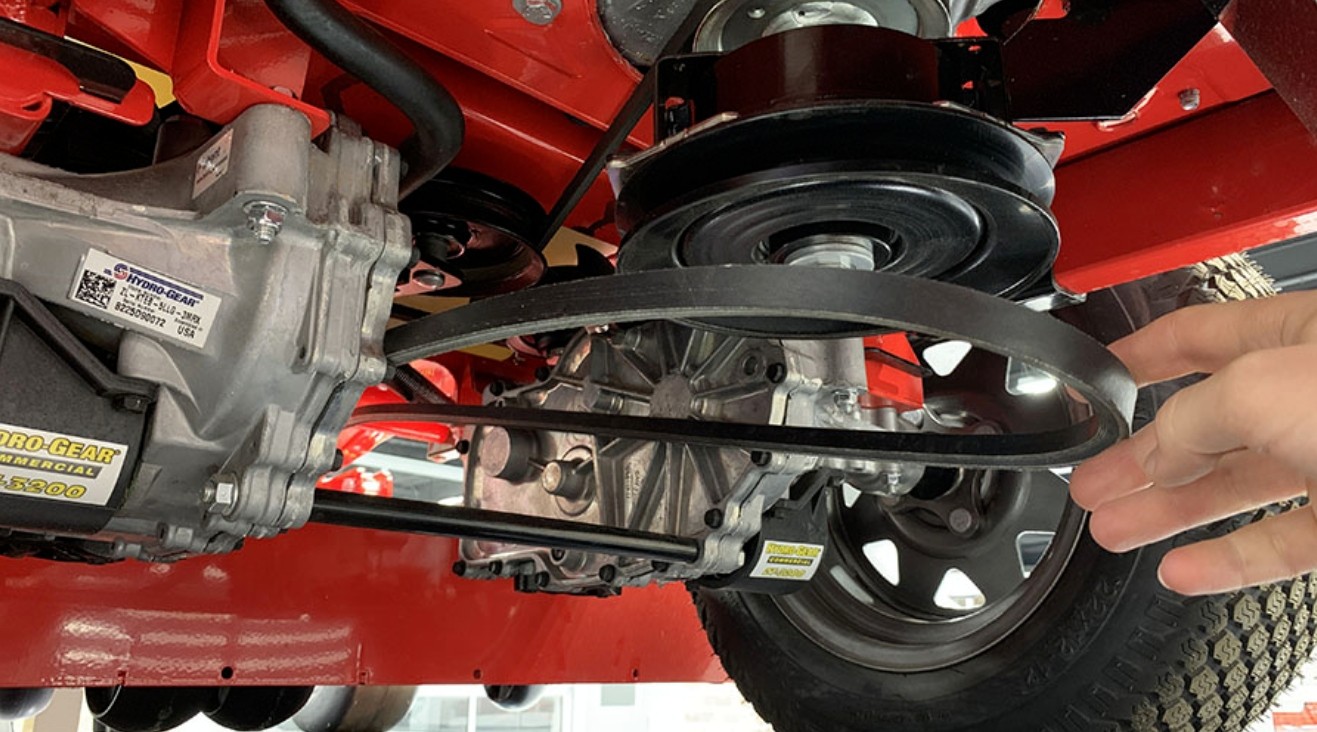
Mower belts work by transferring power from the engine to the blades. The belt wraps around pulleys and spins them. This spinning motion turns the blades to cut grass. Tension in the belt keeps it tight and prevents slipping. Without a properly working belt, the mower can’t cut grass well.
Credit: m.hustil.com
Reasons To Shorten A Mower Belt
Replacing a mower belt can be pricey. Shortening the belt saves money. Repairing instead of buying new helps your wallet. It reduces waste too. Many homeowners prefer this cost-effective solution. A shorter belt can last longer if done right. This way, you get more value from your purchase. Maintenance becomes easier and cheaper overall.
Sometimes, belts don’t fit perfectly. A custom fit ensures better performance. A well-fitted belt improves mower efficiency. It prevents slipping and reduces wear. Every mower needs a unique belt length. Adjusting the belt provides this uniqueness. It allows the mower to work best. Customizing the belt length can solve many issues. It keeps the mower running smoothly for longer.
Tools Needed For Belt Modification
Cutting toolsare needed to shorten mower belts safely and accurately. Use a sharp utility knife or heavy-duty scissors to cut through the belt material. A hacksaw blade can also work for tougher belts. Always cut slowly to avoid fraying or damaging the belt.
Measuring equipmenthelps ensure the belt is cut to the right length. A tape measure or ruler is essential. Mark the belt with a pencil or chalk before cutting. Double-check measurements to avoid mistakes. Accurate measuring saves time and prevents belt failure.
Step-by-step Belt Shortening Process
Measure the belt length carefully before cutting. Use a tape measure to find the exact size needed. Mark the spot clearly with a pen or chalk. Double-check the measurement to avoid mistakes.
Cut the belt straight using sharp scissors or a utility knife. Make sure the cut is clean and even. Avoid jagged edges that can cause slipping or damage.
Seal the edges to prevent fraying. Use heat from a lighter or a small flame carefully. Do not burn the belt; just melt the edges slightly. Let the belt cool down before use.
Potential Risks Of Shortening Belts
Shortening mower belts can cause reduced belt life. The belt may wear out faster due to improper tension. This leads to frequent replacements and higher costs.
Warranty issues also arise from belt modifications. Manufacturers often void warrantiesif belts are cut or altered. This means no free repairs or replacements if something breaks.
- Cut belts may lose strength and break easily.
- Incorrect belt size affects mower performance.
- Warranty loss means extra expense for repairs.

Credit: www.amazon.com
Alternatives To Shortening Mower Belts
Mower belts usually cannot be safely shortened without damage. Choosing the correct belt size or using a replacement belt designed for your mower works best. Adjusting the mower’s tension system can also help fit the belt properly.
Purchasing Custom Belts
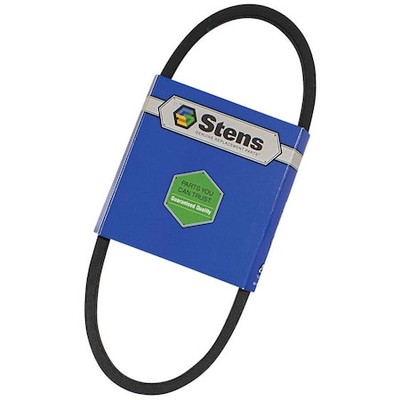
Custom belts fit mower pulleys perfectly. They avoid belt slipping or damage. Many suppliers offer belts cut to exact lengths. This ensures better mower performance. Custom belts also last longer than shortened ones. Choosing the right material is important too. Ask for belts made of durable rubber or reinforced materials. This helps the belt handle mower stress well.
Using Adjustable Belt Systems
Adjustable belt systems allow easy tension control. They use pulleys or tensioners that move to fit belt length. This flexibility means one belt can fit multiple mower models. It reduces the need to shorten belts. Adjusters also keep belts tight, which improves mower power. Installing an adjustable system might cost more initially. But it saves time and money in the long run.
Maintenance Tips For Longer Belt Life
Proper tensioningkeeps the belt tight but not too tight. A belt that is too loose can slip and wear out fast. Too tight, and it may damage the mower’s parts. Use a tension gauge or follow the mower’s manual for the right fit. Check tension regularly to avoid sudden breaks or slippage.
Regular inspectionshelp spot problems early. Look for cracks, frays, or signs of wear on the belt. Make sure the belt stays clean and free from oil or dirt. Clean the pulleys and belt path to stop buildup that can harm the belt. Change the belt if you notice deep damage or if it feels weak.
Credit: www.ebay.com
Frequently Asked Questions
Can Mower Belts Be Shortened Safely?
Mower belts should not be shortened as it affects tension and performance. Altering belts can cause slipping or damage. It’s best to use the correct belt size recommended by the manufacturer for optimal mower function and safety.
What Happens If A Mower Belt Is Too Long?
A belt that is too long may slip or derail from pulleys. This reduces cutting efficiency and can damage the mower. Proper belt length ensures correct tension and smooth mower operation.
How To Fix A Mower Belt That’s Too Long?
Instead of shortening, replace the belt with the correct size. Measure the old belt or check your mower’s manual for specifications. Using the right belt size maintains proper tension and mower performance.
Can I Modify A Mower Belt To Fit My Mower?
Modifying mower belts is not recommended. Alterations can cause improper fit and premature wear. Always use manufacturer-approved belts to ensure safety and maintain mower efficiency.
Conclusion
Shortening mower belts is possible but not always the best choice. Belts must fit properly to work well and last long. Cutting or altering belts can cause damage or reduce performance. Buying the correct belt size is safer and more reliable.
Proper belt tension helps your mower run smoothly and prevents wear. Always check your mower’s manual for belt specifications. Taking care of belts improves mower life and saves money. Choose quality belts and avoid risky modifications for best results.





