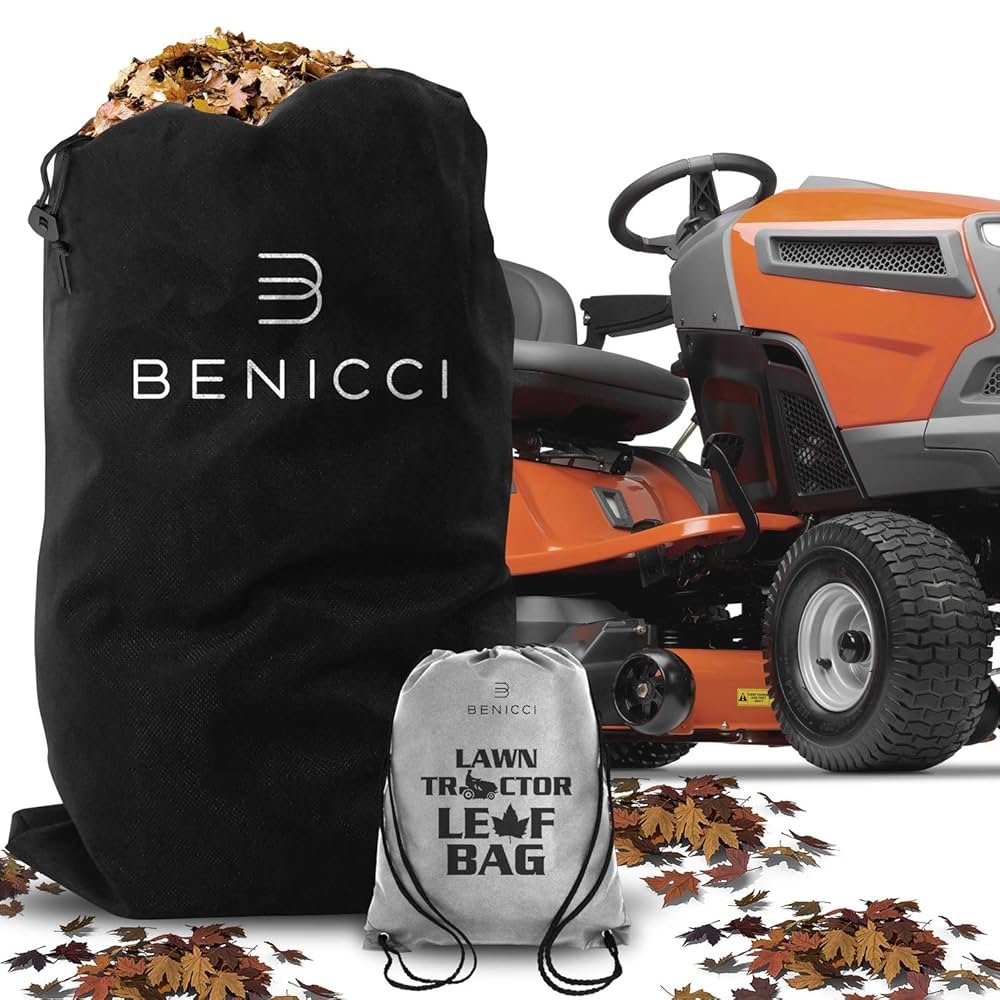
Are you tired of dealing with a ripped mower bag every time you mow your lawn? It’s frustrating to see your hard work undone by a torn bag that spills grass clippings everywhere.
The good news is, you don’t have to keep replacing it or making constant repairs. By taking a few simple steps, you can protect your mower bag and make it last much longer. Keep reading, and you’ll discover easy tips that save you time, money, and hassle on your next mowing day.
Common Causes Of Mower Bag Tears
Sharp objects and debrislike stones, sticks, or metal pieces can easily puncture mower bags. These items are hidden in the grass and get thrown by the blades.
Improper installationcauses the bag to not fit well. A loose or wrong fit makes the bag rub against sharp parts or flap in the wind. This leads to tears over time.
Wear and tear over timehappen because of regular use. The bag’s material gets weak, thin, or frayed. Constant exposure to sun, water, and grass also makes the fabric fragile.

Credit: www.reddit.com
Choosing The Right Mower Bag
Choosing the right mower baghelps prevent tearing and damage. The material typematters a lot. Look for durable fabricslike heavy-duty polyester or nylon. These materials resist cuts and wear better. Thin or cheap fabrics can tear quickly.
Check the size and compatibilitywith your mower. A bag that is too small or too large can rip easily. Match the bag size exactly to your mower model for a snug fit.
Reinforced seamsadd extra strength. Double-stitched or bound seams stop ripping at stress points. Bags without strong seams wear out faster and break.
Proper Installation Techniques
Secure the mower bag properly by aligning it with the attachment points before use. Avoid forcing the bag into place to prevent tears and ensure a snug fit. Regularly check for worn parts and replace them to maintain strong support.
Securing The Bag Correctly
Ensure the bag fits snugly on the mower. Check all clips and locks. They must hold the bag tightly. Loose bags can tear easily. Always press down firmly when attaching the bag. This ensures it stays in place during mowing.
Avoiding Overloading
Don’t overfill the mower bag. Too much grass can cause tears. Empty the bag regularly while mowing. A lighter bag is easier to carry. Avoid stuffing it full. This helps the bag last longer.
Checking Attachments Regularly
Inspect the bag and attachments often. Look for signs of wear or damage. Replace broken parts immediately. Keep all clips and attachments clean. Dirt can make them fail. Regular checks keep your mower working well.
Maintenance Tips For Longevity
Cleaning and dryingthe mower bag after each use stops dirt buildup. Dirt and grass can weaken the fabric. Use a brush to remove stuck debris. Let the bag dry fully before storing to prevent mold and smell.
Inspecting for damageoften helps catch small tears early. Check the seams and fabric carefully. Repair tiny holes with patch kits or strong tape. This stops tears from growing larger.
Storing properlykeeps the bag safe from harm. Store in a dry, cool place away from direct sun. Avoid placing heavy items on top of the bag. Hanging the bag can help keep its shape intact.
Handling Sharp Objects Safely
Remove sticks, stones, and sharp objects from the lawn before mowing. This prevents bag tearscaused by sharp debris hitting the mower bag. Always scan the area carefully to avoid missing hidden objects.
Use protective coverson mower bags made of strong, tear-resistant fabric. Covers add an extra layer of defense against sharp items. They help extend the life of the mower bagand keep it intact.
Keep mower blades sharp and clean. Dull blades can cause uneven cutting and increase the chance of debris hitting the bag. Regular blade maintenance improves cutting efficiency and reduces stress on the bag.
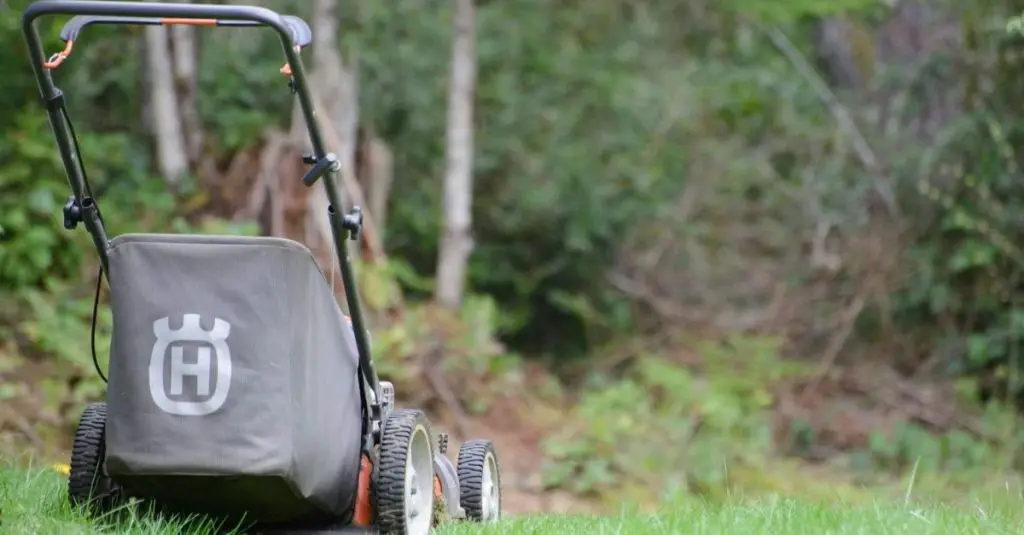
Credit: www.vevor.com
Repairing Minor Tears
Small tears in mower bags can be fixed easily using patch kits. These kits include strong adhesive patches that stick well to torn fabric. Clean the area around the tear first. Cut the patch slightly larger than the tear and press it firmly on the bag. Let it dry fully before using the mower again.
Sewing techniqueshelp in repairing tears too. Use a strong needle and thick thread. Stitch gently but tightly along the tear edges. This method strengthens the bag and keeps dirt inside. Use simple stitches like running stitch or backstitch for best results.
Replace the mower bag if:
- Tears are too big or deep.
- Patches or stitches do not hold.
- The bag looks worn out or weak.
Regular checks keep the mower bag in good shape and working well.

Credit: www.reddit.com
Frequently Asked Questions
What Causes Mower Bag Ripping Most Often?
Mower bag ripping is mostly caused by sharp objects, overfilling, and wear and tear. Avoid collecting sticks or stones, and empty the bag regularly to prevent damage.
How Can I Prevent Mower Bag Ripping Effectively?
Use a mower bag made from durable material. Avoid overloading, clean the bag often, and inspect it for damage before each use to extend its lifespan.
Does Mower Blade Condition Affect Bag Durability?
Yes, dull or damaged blades can create uneven clippings that tear the mower bag. Keep blades sharp and well-maintained to protect the bag and ensure clean cuts.
Can Storing Mower Bags Properly Reduce Ripping?
Proper storage, like keeping bags dry and away from sunlight, helps prevent material weakening. Store bags in a cool, dry place to avoid premature ripping and damage.
Conclusion
Protecting your mower bag from tears saves money and effort. Regularly check the bag for small holes or weak spots. Avoid overfilling the bag to keep it strong. Use the mower on suitable grass and avoid rough debris. Clean and dry the bag after each use to prevent damage.
Small care steps keep your mower bag lasting longer. This way, your mowing stays smooth and hassle-free. Taking simple actions helps avoid frequent replacements. Keep your mower bag safe and enjoy better lawn care.





