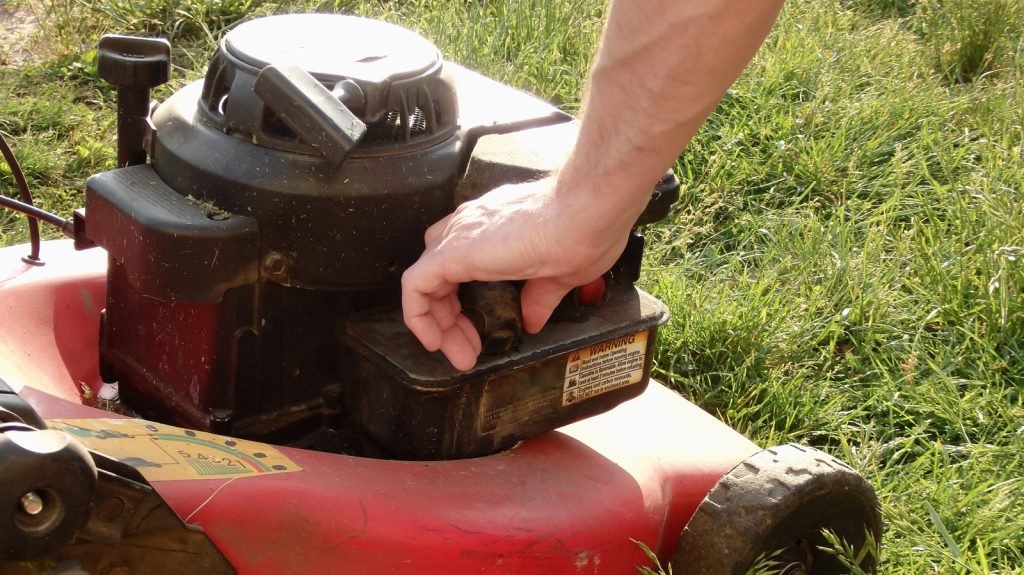
Have you ever faced the frustration of a mower that just won’t start or runs poorly? One common cause might be old or contaminated gas sitting in your mower’s tank.
Removing that gas safely and effectively is key to getting your mower back in top shape. In this guide, you’ll discover simple, step-by-step methods to drain and remove gas from your mower tank without hassle or risk. Keep reading, and you’ll learn how to protect your equipment and save money on repairs.
Your mower will thank you!
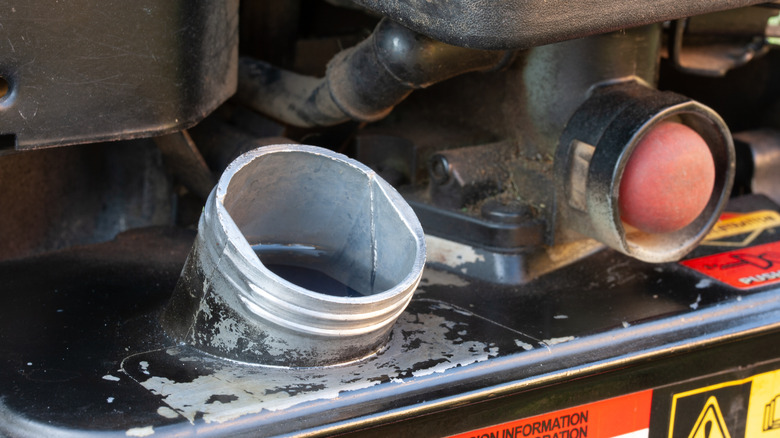
Credit: www.outdoorguide.com
Signs Of Gas In Mower Tank
The smell of gasfrom the mower tank is usually strong and sharp. It can be noticed even if the tank is closed. The appearanceof gas in the tank is clear or slightly yellowish. Cloudy or dark fuel means it is old or contaminated. Look for dirt or water inside the tank too.
The performance of the mowerdrops when gas is bad. The mower may start hard or not at all. It can run rough or stall often. Poor gas causes less power and uneven speed. Fuel leaks or smells also mean gas problems.

Credit: www.youtube.com
Safety Measures Before Removing Gas
Wearing protective gearis important. Use gloves and safety goggles. This protects your skin and eyes from gas spills.
Work in a well-ventilated areato avoid breathing harmful fumes. Open windows or work outside if possible.
Avoid open flames. Gas is highly flammable. Keep away from sparks, cigarettes, or any heat source.
Tools Needed For Gas Removal
Essential tools include a siphon pump or a fuel transfer pump to remove gas safely. A container to hold old fuel and gloves for protection are also helpful. These items make the process easier and cleaner.
Fuel Transfer Pump
A fuel transfer pump helps remove gas easily. It is a handy tool. It quickly transfers gas from the mower tank. This tool keeps your hands clean. No spills and less mess.Siphon Hose
A siphon hose is another tool to remove gas. It’s a simple tube. Place one end in the tank. Suck the other end gently. Let gravity do the work. Gas will flow out smoothly.Container For Old Gas
Use a container for old gas to store removed gas. It needs to be leak-proof. Make sure it’s large enough. It should be safe for storing fuel. Label the container clearly. `
Credit: www.youtube.com
Step-by-step Gas Removal Process
Turn off the mower to ensure safety. Make sure the engine is cool before handling gas. Detach the fuel cap carefully to avoid spills. Use a pump or siphon to remove the gas safely from the tank. Place the pump tube into the tank and the other end into a container. Drain the gas slowly into a proper container designed for fuel. Avoid spilling gas on the ground or mower parts. Seal the container tightly after draining to prevent fumes. Store the gas container in a safe, ventilated area away from heat.
Cleaning The Mower Tank
Start by pouring fresh gasoline into the mower tank. Move the tank gently to mix the fresh gas with old fuel. This helps loosen old residue inside. Then, pour out the mixture carefully to remove most dirt and stale gas.
Use a clean cloth or a soft brush to wipe the inside of the tank. Check for any leftover debris or sludge at the bottom. Removing these bits improves engine performance and prevents clogging.
Let the tank air dry completely before refilling it. Drying stops moisture build-up that can damage the engine. Place the tank in a sunny spot or a warm room to speed up drying.
Disposal Of Old Gas
Empty the mower tank by running the engine until the gas is gone. Use a siphon pump to safely remove leftover fuel. Store or dispose of old gas at a local recycling center.
Local Disposal Regulations
Old gasmust be disposed of following local laws. Many areas have rules to keep the environment safe. Check with your city or town hall for guidance. Some places have special centers to take used fuel. Never pour gas on the ground or in drains. This can harm water, soil, and animals.
Recycling Options
Some facilities accept old gas for recycling. They turn it into new fuel or burn it safely. Call local recycling centers to ask if they accept gasoline. Use sealed containers to store old gas before dropping it off. This helps avoid spills and accidents.
Avoiding Environmental Damage
- Keep gas away from water sources.
- Store in a cool, dry place with a tight cap.
- Use approved containers only.
- Never mix old gas with other chemicals.
- Dispose of gas at official collection points.
Preventing Gas Issues In The Future
Using fresh fuelhelps keep the mower running well. Old gas can cause clogsand damage the engine. Always buy fuel from trusted sources and use it within 30 days.
Regular maintenance is key. Check the mower’s fuel filter and clean or replace it if needed. Keep the carburetor clean to avoid blockages. Also, inspect the fuel lines for cracks or leaks.
Proper storage can prevent gas problems. Store the mower in a dry, cool place. If storing for a long time, drain the fuel tank or add a fuel stabilizer. This stops the gas from breaking down and gumming up the system.
Frequently Asked Questions
How Do I Safely Remove Gas From A Mower Tank?
To safely remove gas, first turn off the mower and let it cool. Use a siphon pump to transfer fuel into an approved container. Avoid spills and work in a well-ventilated area to prevent inhaling fumes or fire hazards.
What Tools Are Needed To Drain Mower Gas Tank?
You need a siphon pump, a fuel container, gloves, and safety goggles. These tools help you safely extract gasoline without spills or accidents. Always ensure the container is approved for gasoline storage.
Can I Pour Mower Gas Down The Drain?
No, never pour mower gas down the drain. Gasoline contaminates water and harms the environment. Instead, store old fuel in a sealed container and take it to a hazardous waste disposal site.
How Long Can Gas Stay In A Mower Tank?
Gasoline typically lasts about 30 days in a mower tank. After that, it degrades, causing poor engine performance. Use fuel stabilizer for longer storage or drain the tank to avoid damage.
Conclusion
Removing gas from your mower tank is simple with the right steps. Always work in a safe, open space. Use proper tools to avoid spills and damage. Drain the fuel carefully and store or dispose of it properly. Regular maintenance helps keep your mower running well.
Following these tips saves time and prevents problems. Keep your mower ready for the next job. Clean fuel means better engine performance and longer life. Taking a few minutes now prevents bigger issues later. Easy and safe.





