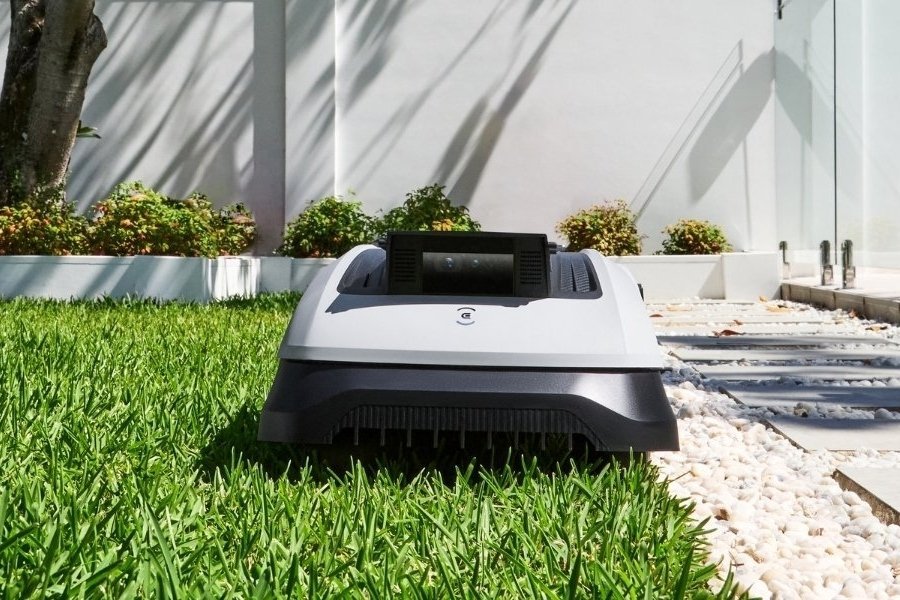
Imagine waking up to a perfectly manicured lawn without lifting a finger. Sounds like a dream, right?
That’s the magic of automatic lawn mowers. If you’ve ever wondered how these clever machines turn your grass into a green masterpiece while you sip your morning coffee, you’re in the right place. This article is your ticket to discovering the secrets behind their effortless operation.
You’ll uncover how they navigate your yard, trim with precision, and save you time and energy. Let’s dive into the fascinating world of automatic lawn mowers and see how they can transform your lawn care routine.
Credit: www.yarbo.com
How Automatic Lawn Mowers Operate
Understanding how automatic lawn mowers operate can change the way you think about lawn care. These smart machines handle the tedious job of cutting grass with minimal effort from you. Let’s break down what makes them work efficiently and reliably in your yard.
Core Components
At the heart of every automatic lawn mower are a few key parts. The main body houses the motor and cutting blades. Sensors help detect obstacles and grass height.
There’s also a charging station where the mower returns automatically. This setup ensures the mower stays powered and ready without your intervention.
Navigation Technology
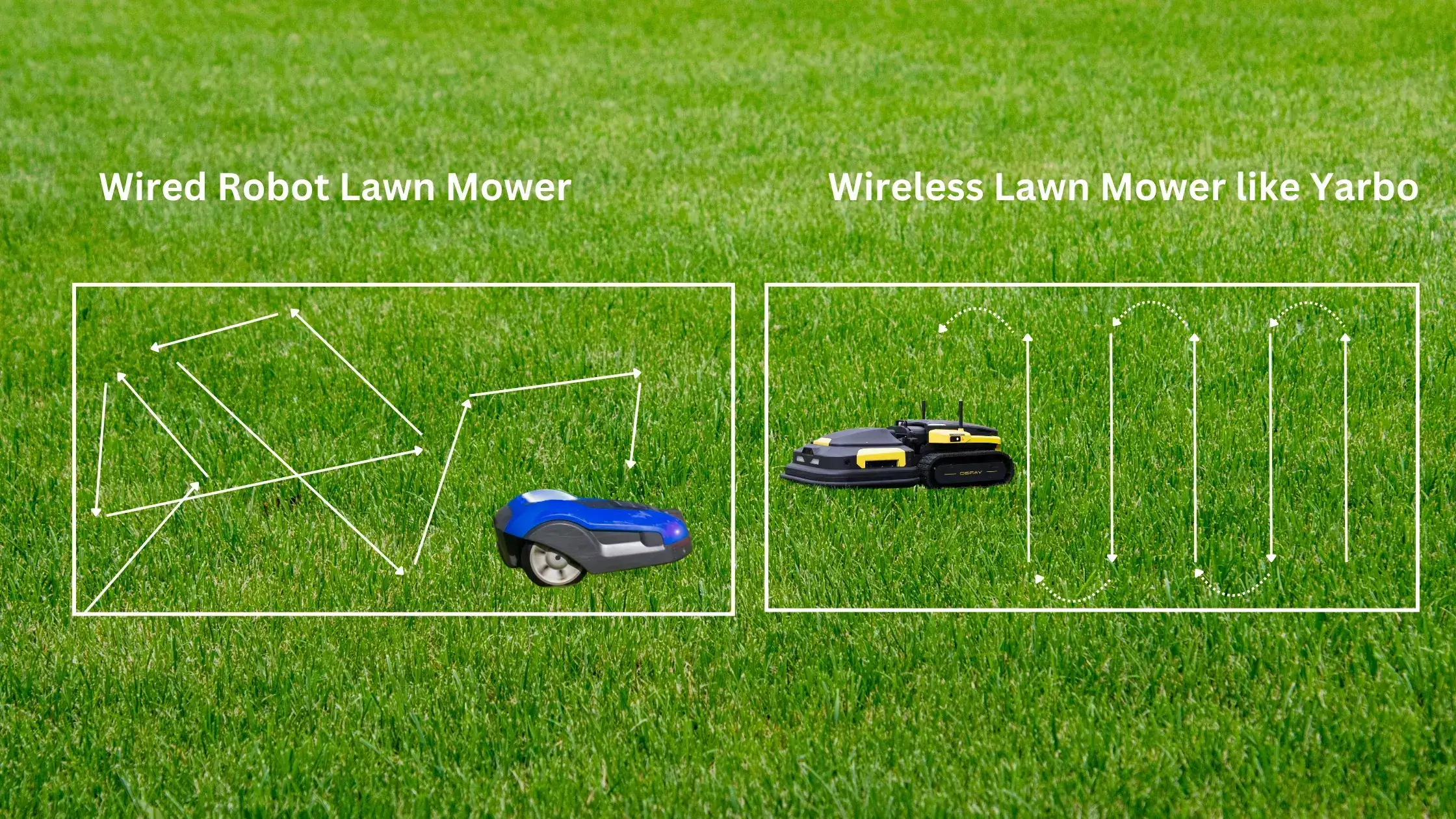
How does the mower know where to go? Most use boundary wires installed around your lawn edges. These wires send signals that keep the mower within your yard.
Some advanced models use GPS or mapping sensors to navigate more precisely. This technology helps avoid obstacles and ensures even coverage.
Have you ever wondered how it manages to avoid your garden gnomes? The sensors detect objects and change direction to prevent collisions.
Cutting Mechanism
The cutting system is designed for efficiency and safety. Most automatic mowers use rotating blades underneath the body. These blades spin fast enough to trim grass smoothly.
Blades are sharp but small, reducing risk if you accidentally touch the mower. Plus, the mower cuts frequently, which keeps your lawn healthier and neater than traditional mowing.
Power Sources
Automatic lawn mowers are typically powered by rechargeable batteries. Lithium-ion batteries are popular for their long life and quick charging.
Some models have solar panels to extend battery life during sunny days. This means less time plugged in and more autonomous mowing.
Think about how much time you could save by letting a battery-powered mower quietly maintain your lawn while you focus on other tasks.
Setting Up Your Automatic Mower
Setting up your automatic lawn mower correctly is key to getting a neat, evenly cut lawn without the hassle of manual mowing. It involves a few important steps that help define the mower’s working area, schedule its operation, and customize the cutting height to suit your grass type. Getting these right ensures your mower works efficiently and keeps your lawn looking its best.
Installing Boundary Wires
Boundary wires create an invisible fence that guides your mower and keeps it within the designated area. You’ll need to lay these wires around the edges of your lawn and around any obstacles like flower beds or trees.
Make sure the wire is secured firmly to the ground to avoid tripping or damage. Some mowers come with wire stakes to help with this. Think about the shape of your lawn and plan the wire layout before you start—complex lawns may need extra planning to avoid dead zones.
Programming Cutting Schedules
Once the boundaries are set, you can program when and how often your mower runs. This lets you control mowing times based on your lawn’s growth and your personal schedule.
Many automatic mowers let you set multiple daily or weekly schedules. For example, mowing early mornings on weekdays can keep your lawn tidy without interfering with your outdoor activities. Have you considered how often your grass really needs cutting? Over-mowing can stress the grass, while under-mowing lets it grow unruly.
Adjusting Cutting Height
Adjusting the cutting height is crucial to maintaining healthy grass. You can usually change this by moving a lever or using digital controls on the mower.
Set the height according to your grass type and season. Taller grass provides better shade for roots during hot weather, while shorter cuts may be suitable in cooler months. Experiment with small changes and observe how your lawn responds to find the perfect height.
Benefits Of Using Automatic Lawn Mowers
Automatic lawn mowers offer many benefits that make lawn care easier and more efficient. They free up your time and keep your grass healthy without much effort. These mowers work quietly and smoothly, providing consistent maintenance for a neat lawn.
Time-saving Features
Automatic lawn mowers operate on their own, letting you focus on other tasks. You do not need to push or guide them. Their scheduled mowing means your lawn stays trimmed regularly without your help. This saves hours each week, especially for larger yards.
Consistent Lawn Maintenance
These mowers cut grass evenly and often, which leads to a healthier lawn. Regular trimming prevents weeds and keeps grass strong. The mower’s sensors help avoid obstacles and maintain a perfect pattern. Consistency means your lawn looks great all season.
Eco-friendly Advantages
Most automatic mowers use electric power, reducing pollution compared to gas mowers. They run quietly, causing less noise disturbance. Their precise cutting reduces waste and need for extra chemicals. Using less energy helps protect the environment.

Credit: www.youtube.com
Common Challenges And Solutions
Automatic lawn mowers make yard care easier, but they come with their own set of challenges. Understanding these common issues helps you keep your mower running smoothly and your lawn looking great. Let’s dive into some practical solutions that you can apply right away.
Handling Obstacles
Automatic mowers navigate your lawn using sensors, but unexpected objects can still cause trouble. Toys, garden tools, or uneven terrain may confuse the mower or cause it to stop. Clear your lawn regularly to prevent these interruptions.
Some mowers allow you to set virtual boundaries or use physical guides. These can help the mower avoid tricky spots like flower beds or patios. Have you noticed your mower getting stuck in one area repeatedly? Try adjusting these boundaries to improve its route.
Weather Considerations
Rain and extreme weather can affect your mower’s performance and safety. Most models are designed to pause automatically when it starts raining, protecting both the machine and your lawn. However, leaving it outside during heavy storms can cause damage.
Check the weather forecast before scheduling mowing sessions. If your area experiences frequent rain, consider a weatherproof storage solution. This small step can extend your mower’s lifespan and keep it ready for action.
Battery Maintenance
The battery is the heart of an automatic mower, and proper care is essential. Avoid letting the battery drain completely before recharging, as this can shorten its life. Instead, charge it regularly and store the mower in a cool, dry place.
Some batteries need special care during winter months. If you live in a cold climate, remove the battery and store it indoors to prevent damage. Have you checked your mower’s battery health lately? Keeping an eye on it can save you from unexpected downtime.
Choosing The Right Model For Your Lawn
Choosing the right automatic lawn mower can make lawn care easier and more efficient. The perfect model fits your lawn’s size, shape, and terrain. It also matches your budget and desired features. Understanding these factors helps pick the best mower for your yard.
Evaluating Lawn Size And Terrain
Measure your lawn’s total area before selecting a mower. Small lawns need models with shorter battery life. Large lawns require longer running times and bigger cutting widths. Consider the terrain too. Slopes, hills, and uneven ground need mowers with strong motors and good traction. Some models handle rough terrain better than others.
Comparing Features
Look at key features that improve mower performance. Common features include:
- Cutting height adjustment for different grass lengths
- Obstacle detection sensors to avoid collisions
- Scheduling options for automatic mowing times
- Rain sensors to pause mowing during wet weather
- GPS navigation for precise mowing paths
Choose features based on your lawn’s needs and your convenience.
Budget Considerations
Automatic mowers vary widely in price. Basic models cost less but offer fewer features. Advanced models are pricier but provide better efficiency and smart functions. Consider long-term savings on lawn care time. Factor in battery life, maintenance, and replacement parts. Balancing cost and features ensures good value for your investment.

Credit: robotlawnmower.nz
Tips For Maximizing Performance
Maximizing the performance of an automatic lawn mower keeps your lawn neat and your machine running smoothly. Regular care and simple actions improve cutting quality and extend the mower’s life. These tips help you get the best from your mower every season.
Regular Cleaning And Upkeep
Clean the mower after each use to remove grass clippings and dirt. Check the blades for sharpness and damage. Replace or sharpen blades regularly to ensure a clean cut. Inspect wheels and sensors for debris that could block movement or detection. Store the mower in a dry place to protect it from rust and weather damage.
Software Updates
Keep the mower’s software updated to improve its efficiency and safety. Updates often fix bugs and add new features. Connect the mower to your computer or app to check for updates. Follow the manufacturer’s instructions carefully during the update process. Updated software helps the mower navigate better and cut more evenly.
Safe Operation Practices
Clear the lawn of toys, sticks, and stones before mowing. Set the mower boundaries correctly to avoid unwanted areas. Never lift or carry the mower while it is running. Keep children and pets away during operation. Use the safety lock or pause function when adjusting settings or moving the mower.
Frequently Asked Questions
How Do Automatic Lawn Mowers Navigate The Yard?
Automatic lawn mowers use sensors and boundary wires to map and navigate the yard. They detect obstacles and change direction to avoid collisions. GPS technology may also guide some models for precise mowing patterns. This ensures efficient and safe lawn care without manual control.
What Powers An Automatic Lawn Mower?
Most automatic lawn mowers run on rechargeable lithium-ion batteries. These batteries provide quiet and eco-friendly operation. Charging stations allow the mower to return and recharge automatically. Battery life typically supports mowing sessions up to several hours, depending on the model and lawn size.
Are Automatic Lawn Mowers Safe For Pets And Children?
Yes, automatic lawn mowers have built-in safety features like lift and tilt sensors. These sensors stop the blades instantly if the mower is lifted or tilted. Additionally, boundary wires keep the mower within a designated area, reducing risk of accidents near pets and children.
How Do Automatic Mowers Maintain Grass Height?
Automatic lawn mowers cut the grass regularly and evenly, promoting healthy growth. They use adjustable cutting heights to suit different lawn types. Frequent trimming prevents overgrowth and creates a manicured look. This consistent maintenance reduces the need for manual lawn care.
Conclusion
Automatic lawn mowers cut grass with ease and save time. They move on their own, following set boundaries. Sensors help avoid obstacles and keep them safe. Batteries power them quietly and efficiently. You get a neat lawn without much effort.
These mowers make lawn care simple and less tiring. Consider one if you want a tidy yard. Easy to use and maintain, they suit many homes. Small machines, big help.





