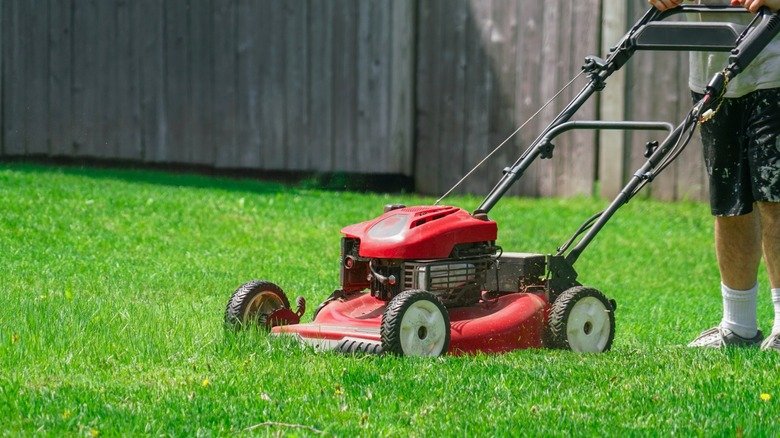
Are you standing in your garage, staring at your lawn mower, and wondering if it can sip the same gasoline as your car? You’re not alone.
Many homeowners like you find themselves asking, “Do lawn mowers take regular gas? ” It’s a common question that might seem simple but has layers that are crucial for the health of your machine. Understanding the right fuel can save you from costly repairs and extend the life of your lawn mower.
In this post, we’ll dive into what type of gas is best for your mower and why the choice matters more than you might think. So, before you fill up that gas can, let’s make sure your lawn mower gets the fuel it truly deserves. Keep reading to ensure your lawn care routine remains smooth and stress-free.

Credit: powersmartusa.com
Fuel Types For Lawn Mowers
Choosing the right fuel for your lawn mower affects its performance and lifespan. Different engines require specific fuel types to work well. Understanding the options helps keep your mower running smoothly and avoids damage.
Fuel types vary by engine design and manufacturer recommendations. Using the correct fuel ensures efficient cutting and less maintenance. Let’s explore the main fuel types used for lawn mowers and their effects.
Regular Gas Vs. Premium Gas
Most lawn mowers run well on regular unleaded gasoline. Regular gas usually has an octane rating of 87, which suits small engines. Premium gas has a higher octane, often 91 or above.
Higher octane fuel resists knocking in high-compression engines. Lawn mowers typically do not need premium gas. Using premium gas in a mower made for regular gas usually does not improve performance or fuel economy.
Premium gas costs more and may not provide added benefits. Always check the mower’s manual for fuel recommendations. Stick to regular gas unless the manufacturer states otherwise.
Ethanol Blends And Effects
Many fuels contain ethanol, an alcohol made from plants. Common blends include E10, which has 10% ethanol. Ethanol helps reduce emissions but can harm small engines.
Ethanol attracts water and can cause corrosion inside the fuel tank and carburetor. It may also degrade rubber and plastic parts. These effects can lead to starting problems and poor engine performance.
Using ethanol-free gas or fuel stabilizers can protect your mower. Store fuel in sealed containers and avoid old or stale gasoline. Follow guidelines to minimize ethanol’s impact on your engine.
Using Diesel Or Alternative Fuels
Lawn mowers with gasoline engines should never use diesel fuel. Diesel is thicker and burns differently, which can damage the engine. Some commercial mowers have diesel engines, but they need diesel fuel specifically.
Alternative fuels like propane or electric power exist for certain mower types. Propane mowers offer cleaner burning but require special tanks and fittings. Electric mowers use batteries and need no gasoline at all.
Always use the fuel type designed for your mower. This choice prevents engine damage and ensures optimal cutting power.
Manufacturer Fuel Recommendations
Understanding the fuel recommendations set by lawn mower manufacturers is key to keeping your mower running smoothly. Using the right type of gas can prevent engine problems and improve performance. Let’s take a closer look at how to find these recommendations and what common advice brands usually give.
Checking The Owner’s Manual
Your first move should always be to check the owner’s manual. It holds the specific fuel type that your mower needs, including the octane rating and whether ethanol blends are acceptable. Skipping this step can lead to using the wrong fuel, which might cause engine knocking or damage over time.
When I first bought a mower, I ignored the manual and used regular gas. The engine sputtered and eventually stalled, which cost me time and money. After switching to the recommended fuel, it ran like a charm, saving me headaches and repairs.
Common Guidelines Across Brands
Most manufacturers suggest using unleaded gasoline with an octane rating of 87 or higher. Ethanol content is usually limited to 10% (E10) because higher ethanol blends can harm the engine seals and fuel system.
- Use fresh gas no older than 30 days to avoid stale fuel issues.
- Avoid premium gasoline unless the manual specifically calls for it.
- Check if your mower allows ethanol-free gas, which can boost longevity.
Have you ever wondered why some gas types work better than others in small engines? It all comes down to how the fuel burns and its impact on engine components. Following these simple guidelines can extend your mower’s life and keep it cutting cleanly every time.
Fuel Quality And Storage
Fuel quality and proper storage play a key role in lawn mower performance. Using the right gas and storing it correctly helps your mower run smoothly. Poor fuel or bad storage can cause engine problems and reduce mower life.
Understanding how fresh gasoline benefits your mower and learning proper storage practices prevents fuel issues. Avoiding contamination keeps the engine clean and efficient.
Fresh Gasoline Benefits
Fresh gasoline burns cleaner and more efficiently. It helps the engine start easily and run smoothly. Old gas loses its effectiveness and can clog fuel lines. Using fresh fuel reduces engine wear and prevents stalling. It also lowers exhaust smoke and harmful emissions.
Proper Storage Practices
Store gasoline in a cool, dry place away from sunlight. Use approved containers designed for fuel storage. Keep the container tightly sealed to prevent evaporation. Avoid storing gas for longer than 30 days. Label containers with the date to track freshness. Always keep fuel away from heat sources and open flames for safety.
Avoiding Fuel Contamination
Contaminated fuel can cause engine damage and poor performance. Dirt, water, and debris often enter through open or dirty containers. Always use clean funnels and containers when handling fuel. Avoid mixing old gas with fresh gas. Check for water or sediment before filling the mower tank. Keeping fuel clean helps maintain mower efficiency and prevents costly repairs.
Fueling Tips For Optimal Performance
Keeping your lawn mower running smoothly depends a lot on how you fuel it. Using the right fuel and filling your tank at the right times can prevent engine problems and extend the life of your mower. Let’s dive into some practical fueling tips that will help you get the most out of your machine.
When To Fill The Tank
Fill your mower’s gas tank before each use to avoid running out mid-mow. Never let the tank get completely empty, as this can cause air to enter the fuel system and make starting harder. If you’re storing your mower for a while, it’s better to either fill the tank completely or drain it to prevent stale fuel buildup.
Mixing Gas And Oil
Check your mower’s manual to see if it requires a gas and oil mix. Two-stroke engines need this blend, while four-stroke engines usually use regular gas with oil in the crankcase. Mixing the right ratio is crucial—too little oil can cause engine damage, and too much can lead to smoke and poor performance.
Seasonal Fuel Considerations
Fuel quality changes with the seasons, especially in colder months. Adding a fuel stabilizer can help keep gasoline fresh during long storage periods. Also, consider using ethanol-free gas if available; it tends to cause fewer problems like clogged fuel lines and carburetor issues in your mower.
Common Fuel-related Issues
Fuel is the lifeblood of your lawn mower, but using the wrong type or stale gas can lead to frustrating issues. Knowing how fuel problems show up helps you fix them quickly and avoid costly repairs. Let’s look at common fuel-related problems that might be holding your mower back.
Engine Starting Problems
Does your mower struggle to start or refuse to start at all? This often points to fuel issues. Old or contaminated gas can clog the carburetor, preventing the engine from firing up.
Sometimes, using regular gas without the right oil mix (for 2-stroke engines) causes starting trouble. If your mower has been sitting idle for months, the fuel may have gone bad, turning sticky and thick.
Try draining the old fuel and refilling with fresh, recommended gas. You might be surprised how often this simple fix gets your mower running again.
Poor Performance Causes
If your mower sputters, loses power, or stalls during use, the fuel system might be to blame. Dirty fuel filters or clogged fuel lines restrict flow, starving the engine of gas.
Using gas with a lower octane rating than recommended can also reduce engine efficiency. Pay attention to the fuel type your mower’s manual suggests—using regular gas is fine for many models, but some need premium or specific blends.
Regular maintenance, like replacing filters and checking fuel lines, keeps your mower running strong. Have you checked your mower’s fuel system lately?
Signs Of Fuel System Trouble
- Strong fuel smell:A gas odor near your mower could mean leaks in the fuel tank or lines.
- Black smoke:Excessive smoke from the exhaust often signals incomplete combustion due to bad fuel.
- Flooded engine:If the engine is wet or smells like raw fuel, it may be flooded from too much gas or a stuck carburetor float.
- Hard idling or stalling:Inconsistent engine speed can mean fuel isn’t reaching the engine properly.
Spotting these signs early saves time and money. Next time your mower acts up, check these fuel-related symptoms before assuming a bigger mechanical failure.

Credit: navimow.segway.com
Environmental And Safety Tips
Handling gasoline for lawn mowers requires care to protect the environment and ensure safety. Gas spills and improper fuel use can harm plants, animals, and people. Following simple tips can reduce risks and keep your lawn mower running smoothly.
Handling Fuel Safely
- Use only approved containers to store gasoline.
- Fill the mower outdoors or in well-ventilated spaces.
- Avoid overfilling the tank to prevent spills.
- Keep fuel away from heat sources and flames.
- Store gasoline in a cool, dry place out of children’s reach.
- Wear gloves and eye protection when handling fuel.
Disposal Of Old Fuel
Old fuel can degrade and clog your mower’s engine. Dispose of it properly to avoid environmental damage.
- Do not pour old fuel down drains or on soil.
- Take leftover gasoline to a hazardous waste collection center.
- Check local rules for fuel disposal and recycling.
- Use small amounts of old fuel in other engines if safe.
- Label containers clearly if storing fuel temporarily.
Reducing Emissions
Lawn mowers can produce harmful gases. Reducing emissions protects air quality and health.
- Use mower models with cleaner engines or electric options.
- Keep your mower well-maintained for efficient burning.
- Run the engine only when necessary.
- Avoid idling the mower for long periods.
- Consider mulching grass clippings to reduce waste.

Credit: smonetrobot.com
Frequently Asked Questions
Do Lawn Mowers Use Regular Gasoline?
Yes, most lawn mowers use regular unleaded gasoline with an octane rating of 87. This fuel type is widely available and safe for small engines.
Can I Use Premium Gas In My Lawn Mower?
Premium gas is generally unnecessary for lawn mowers. Regular gas performs well and using premium fuel rarely improves engine performance.
What Type Of Gas Is Best For Lawn Mowers?
Regular unleaded gasoline is best for lawn mowers. Avoid using ethanol blends above 10% to prevent engine damage and maintain efficiency.
Is It Okay To Use Old Gas In A Mower?
Using old gas can cause starting issues and damage. Always use fresh gasoline and add fuel stabilizer if storing for long periods.
Conclusion
Most lawn mowers can use regular gas safely. Check your mower’s manual to be sure. Using the right fuel keeps the engine running well. Avoid mixing gas with oil unless the mower needs it. Fresh gas helps prevent engine problems.
Always store fuel in a safe, cool place. Taking care of your mower extends its life. Simple steps make mowing easier and more effective. Keep your mower fueled correctly for the best results.





