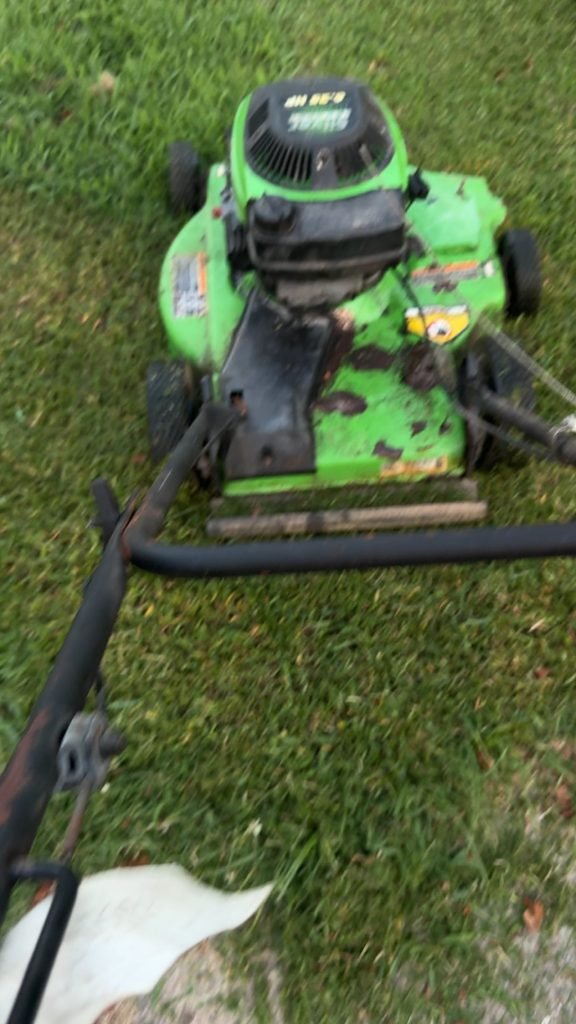
Ever wondered what keeps your lawn mower buzzing efficiently across your yard? It’s all about the revolutions per minute (RPM) that power your machine.
Knowing the RPM your lawn mower runs at can make a world of difference in how you maintain your lawn and the lifespan of your mower. It’s not just a number; it’s the heartbeat of your gardening tool. Curious about how this simple metric can optimize your mowing experience?
Dive into this article to uncover the secrets behind those RPMs and learn how understanding them can save you time, money, and effort. Don’t let your lawn be anything less than perfect—find out how your mower’s RPM can be your ultimate ally in achieving that pristine cut every time.
Typical Lawn Mower Rpm
Lawn mower RPM (revolutions per minute) is a key factor in its cutting performance. Typical lawn mower engines run at specific speeds to balance power and efficiency. Understanding these speeds helps you choose or maintain your mower effectively.
Standard Engine Speeds
Most small gas lawn mower engines run between 2,800 and 3,600 RPM. This range provides enough power for cutting grass smoothly. Push mowers usually run near 3,000 RPM. Riding mowers often operate around 3,200 to 3,600 RPM for stronger performance. Engines running too fast can wear out quickly. Running too slow may reduce cutting quality.
Blade Rotation Rates
The blade spins slower than the engine. A typical blade speed is about 2,500 to 3,000 RPM. This rotation speed is enough to cut grass cleanly without damaging the lawn. Blade speed depends on the mower’s design and engine power. Some mowers use belts or gears to adjust blade RPM. Correct blade speed ensures safety and good cutting results.

Credit: www.ypc.co.uk
Rpm Variations By Mower Type
Lawn mowers run at different RPMs based on their design and use. RPM stands for revolutions per minute. It shows how fast the blade spins. Different mower types need varied RPMs for best cutting results.
RPM affects the quality of the cut and the mower’s efficiency. Lower RPMs may suit smaller lawns, while higher RPMs handle tougher grass and bigger areas. Understanding these RPM variations helps choose the right mower for your needs.
Push Mowers
Push mowers usually run between 2,800 and 3,600 RPM. This range offers a balance of power and control. The engine speed helps keep the blade sharp and cuts grass evenly. These mowers are perfect for small to medium lawns.
They rely on manual effort, so very high RPMs are not common. The focus is on steady, consistent blade speed to avoid damaging the grass.
Riding Mowers
Riding mowers operate at higher RPMs, often between 3,000 and 3,600 RPM. The stronger engines allow for faster blade rotation. This lets the mower handle large lawns and thicker grass easily.
Higher RPMs help maintain a clean, even cut at higher speeds. Riding mowers also offer adjustable speed settings to match lawn conditions.
Robotic Mowers
Robotic mowers typically spin their blades at around 2,800 to 3,200 RPM. These machines prioritize safety and energy efficiency. Lower RPMs reduce noise and extend battery life.
They cut grass frequently in small amounts. This keeps lawns neat without needing very fast blade speed. The steady RPM helps avoid damage to delicate plants.
How Rpm Affects Cutting Performance
The RPM (revolutions per minute) of a lawn mower blade plays a key role in cutting performance. It controls how fast the blades spin and how cleanly they cut grass. Different RPM levels affect the quality of the cut and the mower’s overall efficiency. Understanding this helps in choosing or adjusting a mower for better lawn care results.
Cut Quality And Speed
Higher RPM means blades spin faster. This often results in a cleaner cut with less tearing of grass blades. Fast blades slice through grass smoothly, promoting healthier growth. Slow RPM can leave uneven cuts and may bruise grass. However, too high RPM might cause grass to fly out instead of cutting well.
Cutting speed also depends on RPM. A mower with optimal RPM covers the lawn quickly without missing spots. Low RPM may require slower mowing to avoid poor cutting. Finding the right RPM balances cutting speed and quality.
Fuel Efficiency Impacts
RPM affects how much fuel the mower uses. Higher RPM engines consume more fuel because they work harder. Running at maximum RPM constantly wastes fuel and can wear out the engine faster. Lower RPM settings save fuel by reducing engine load.
Efficient mowers maintain a steady RPM that cuts grass well but does not overuse fuel. This balance extends engine life and lowers fuel costs. Choosing the correct RPM helps keep mowing affordable and eco-friendly.

Credit: litheli.com
Adjusting And Measuring Rpm
Adjusting and measuring the RPM of a lawn mower is important for its proper performance. RPM stands for revolutions per minute. It shows how fast the mower’s engine or blades spin. Correct RPM helps the mower cut grass evenly and prevents engine damage.
Checking RPM needs the right tools and careful adjustments. Some mowers allow manual changes to RPM settings. Measuring RPM accurately ensures the mower runs efficiently and safely.
Using A Tachometer
A tachometer is a device that measures RPM directly. It can be digital or analog. You place the tachometer near the mower’s engine or blades. It reads the speed and shows the RPM on its screen or dial.
Handheld tachometers are easy to use. Just point the sensor at the spinning part. Some models use a clip-on sensor. They provide quick and precise RPM readings.
- Turn on the mower engine.
- Hold the tachometer sensor near the blade or engine shaft.
- Read the RPM value displayed.
- Compare with the mower’s recommended RPM.
Manual Adjustments
Some lawn mowers let you change RPM by adjusting the throttle or carburetor. The throttle controls engine speed. Moving it up or down changes the RPM.
Carburetor adjustments affect fuel and air mix. This can increase or decrease RPM. Always follow the mower manual for safe adjustments.
- Locate the throttle lever or carburetor screws.
- Make small changes and check RPM with a tachometer.
- Stop adjusting once the recommended RPM is reached.
- Test the mower to ensure smooth operation.
Common Rpm Issues
Maintaining the right RPM (revolutions per minute) in your lawn mower is crucial for a clean and efficient cut. However, many users face issues with RPM levels that either drop too low or spike too high. These common RPM problems can affect the mower’s performance and even lead to costly repairs if ignored.
Causes Of Low Rpm
Low RPM in your lawn mower often signals an underlying issue that needs your attention. Common causes include:
- Dirty or clogged air filters:Restricted airflow chokes the engine, lowering RPM.
- Worn spark plugs:Poor ignition reduces engine power and speed.
- Fuel problems:Old or contaminated fuel can cause inconsistent engine performance.
- Blade issues:Dull or damaged blades increase resistance, slowing down the engine.
Have you checked your mower’s air filter recently? Sometimes, a simple cleaning can restore the RPM to normal.
Over-speeding Risks
Running your lawn mower at excessively high RPMs might seem like a way to speed up mowing, but it carries serious risks. High RPMs can cause:
- Engine overheating:Excessive speed puts extra stress on engine components.
- Increased wear and tear:Parts like bearings and pistons wear out faster.
- Safety hazards:Higher RPM means blades spin faster, increasing the chance of accidents.
Think about this: Is it worth pushing your mower beyond recommended speeds just to save a few minutes? Protect your investment by operating within the manufacturer’s RPM guidelines.
Maintenance Tips For Optimal Rpm
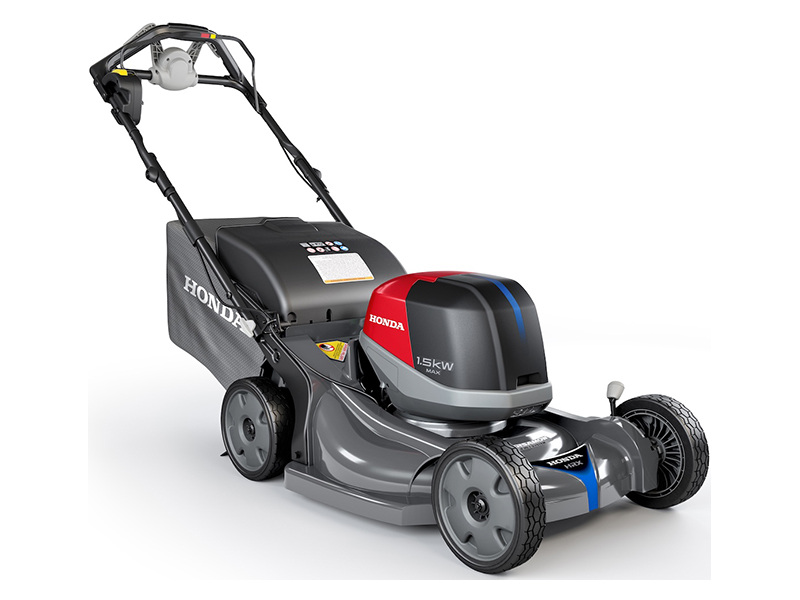
Maintaining the optimal RPM of your lawn mower is key to ensuring it runs efficiently and lasts longer. RPM, or revolutions per minute, depends heavily on the engine’s health and the condition of the blades. If your mower isn’t running at the right speed, you’ll notice uneven cuts and possibly even engine strain.
Engine Tune-ups
Regular engine tune-ups keep your mower running smoothly and at the correct RPM. This includes checking and replacing the spark plug, air filter, and fuel filter as needed. A clogged air filter, for example, can reduce airflow, causing the engine to sputter and lose power.
Have you ever noticed your mower struggling to start or running rough? It’s often a sign that the engine needs attention. Cleaning carburetors and adjusting the throttle cable can make a big difference in maintaining steady RPM.
Blade Care
Sharp blades aren’t just about a clean cut—they help your mower maintain the right RPM by reducing engine load. Dull blades force the engine to work harder, which can lower RPM and increase fuel consumption.
Inspect blades regularly for nicks and bends. Balancing the blades after sharpening is equally important to avoid vibrations that can damage your engine. If you’ve ever felt excessive shaking during mowing, it’s likely time to check your blades.
Credit: www.riverfronthonda.com
Frequently Asked Questions
What Is The Typical Rpm For Lawn Mowers?
Most lawn mowers run between 2,800 to 3,600 RPM. This range ensures efficient cutting and blade speed for a clean lawn finish.
How Does Rpm Affect Lawn Mower Performance?
Higher RPM increases blade speed, allowing cleaner and faster grass cutting. Too high RPM may cause engine wear or safety issues.
Can Rpm Vary Between Different Lawn Mower Types?
Yes, gas-powered mowers usually run at higher RPMs than electric ones. RPM also varies by mower size and blade design.
Why Is Knowing Lawn Mower Rpm Important?
Understanding RPM helps maintain optimal mower performance and blade sharpness. It also aids in troubleshooting and choosing the right mower model.
Conclusion
Lawn mowers usually run between 2,800 and 3,600 RPM. This range helps blades cut grass cleanly and quickly. Knowing the right RPM keeps your mower working well. Too high or too low can harm the engine or grass. Check your mower’s manual for exact numbers.
Regular maintenance also keeps RPM steady. A smooth-running mower saves time and effort. Keep your lawn healthy by using the right speed. Simple steps make mowing easier and more effective.





